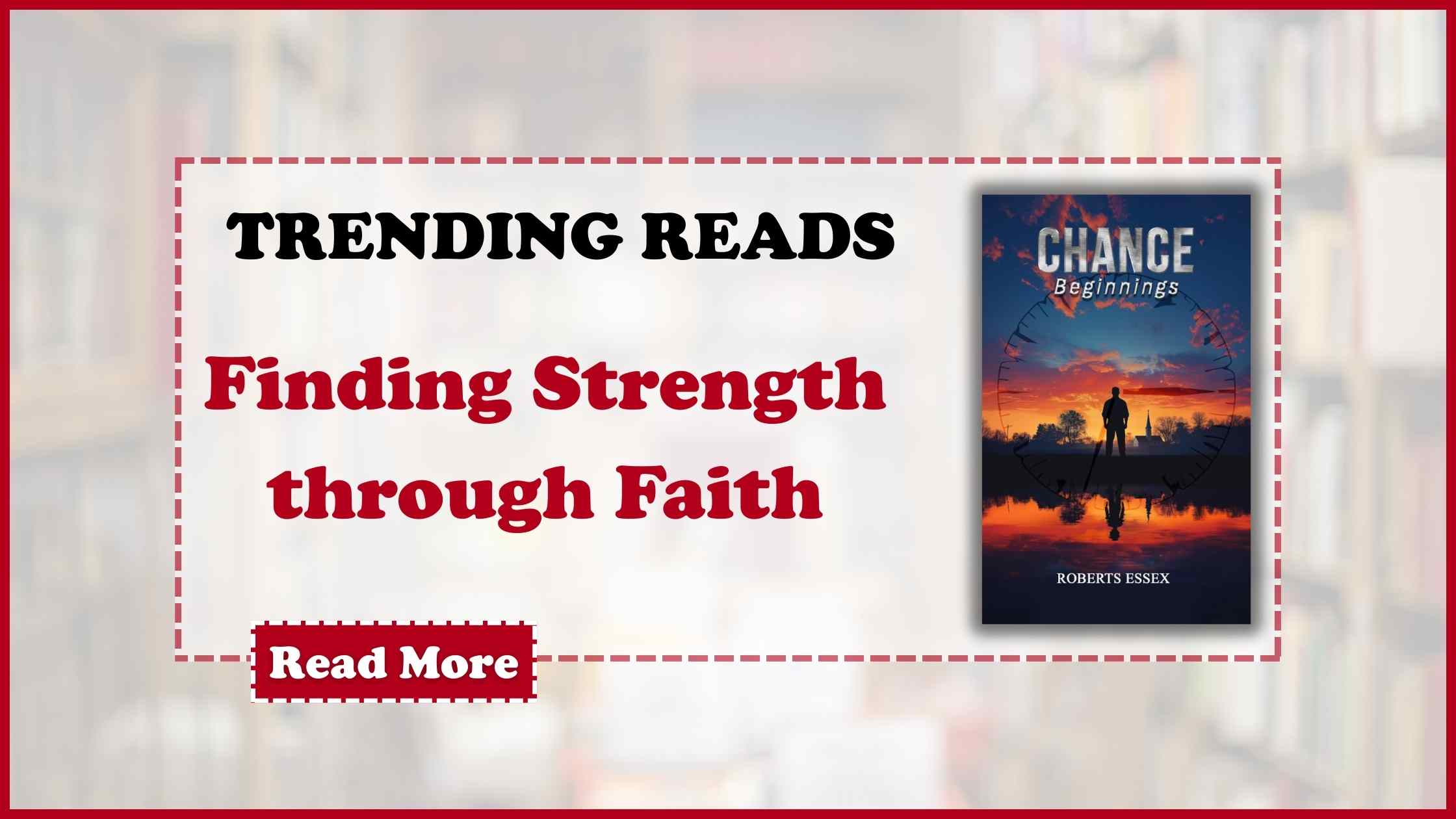
Faith is often described as something that lifts people up. It is spoken about as a source of strength, confidence, and direction. While that can be true, faith does not always begin by standing tall. Sometimes faith begins by kneeling. Chance: Beginnings by Roberts Essex understands this truth in a way that feels sincere and experienced.
The phrase getting back on your knees carries weight in this context. It is not about an obligation or public devotion. It is about humility. It is about recognizing limits. It is about returning to faith after pride, wrath, or failure has affected you badly.
Throughout Chance: Beginnings, faith is not shown as perfect or constant. The main character, Chance Brogdon, grows up in a Christian household where belief is present but not always practiced. As life goes on, faith is challenged by struggles, family contradictions, desires, and disappointment. At times, belief is ignored or pushed aside. At other times, it becomes the only place left to turn.
This is where the Chance: Beginnings by Robert Essex becomes especially relatable. Many readers know what it feels like to drift away from faith. Not out of animosity, but out of fatigue or frustration. Life does not always appreciate effort. Prayer does not always bring immediate comfort. In those moments, faith can feel distant or even unnecessary. The book does not judge this experience. It gives it a room to exist.
The book shows it happens gradually. Sometimes it comes after disaster. Sometimes after regret. Sometimes, after realizing that self-reliance is not enough. The act of kneeling becomes a symbol of surrender rather than defeat.
What stands out is that faith in this record is personal and private. It does not rely on church attendance alone or outward expressions. It is shaped by quiet conversations, internal struggle, and reflection. Faith becomes something that grows deeper through honesty and under-confidence rather than certainty.
The narrative also shows that kneeling does not erase consequences. Faith does not undo past mistakes or remove hardship. Instead, it provides grounding. It offers perspective. It allows room for forgiveness, both given and received. This approach feels realistic and respectful, especially for readers who have lived through complex life seasons.
Another important aspect of faith in the book is its connection to motherhood and family legacy. Chance learns faith not only through words but through observation. He watches resilience, sacrifice, and devotion lived in silent grounds. These examples leave a lasting impression, even when belief feels distant.
For readers navigating their own faith journeys, Chance: Beginnings offers reassurance. It reminds them that returning to faith does not require perfection. It requires humility. Kneeling is not a sign of weakness, but a recognition of need.
Roberts Essex does not frame faith as a finish line. Instead, he presents it as a companion through life. Sometimes close. Sometimes distant. Always available. The act of getting back on your knees becomes less about guilt and more about trust.
In a culture that often values confidence above reflection, Chance: Beginnings offers a quieter message, which reassures us that faith grows when pride softens and that strength is found in humility. And sometimes the most honest place to stand is on your knees. Chance is for every reader who knows that the real stories aren’t polished…they’re lived.
Head to Amazon to purchase your copies: https://www.amazon.com/dp/B0F7XYQ66P.