Children are constantly learning how to navigate the world around them and one of the most important lessons they develop early on is understanding right and wrong. But for young minds, morality is not always black and white. It is shaped through experiences, emotions and observation. This is why stories play such a powerful role in moral development: they allow children to explore choices and consequences in a safe, relatable way.
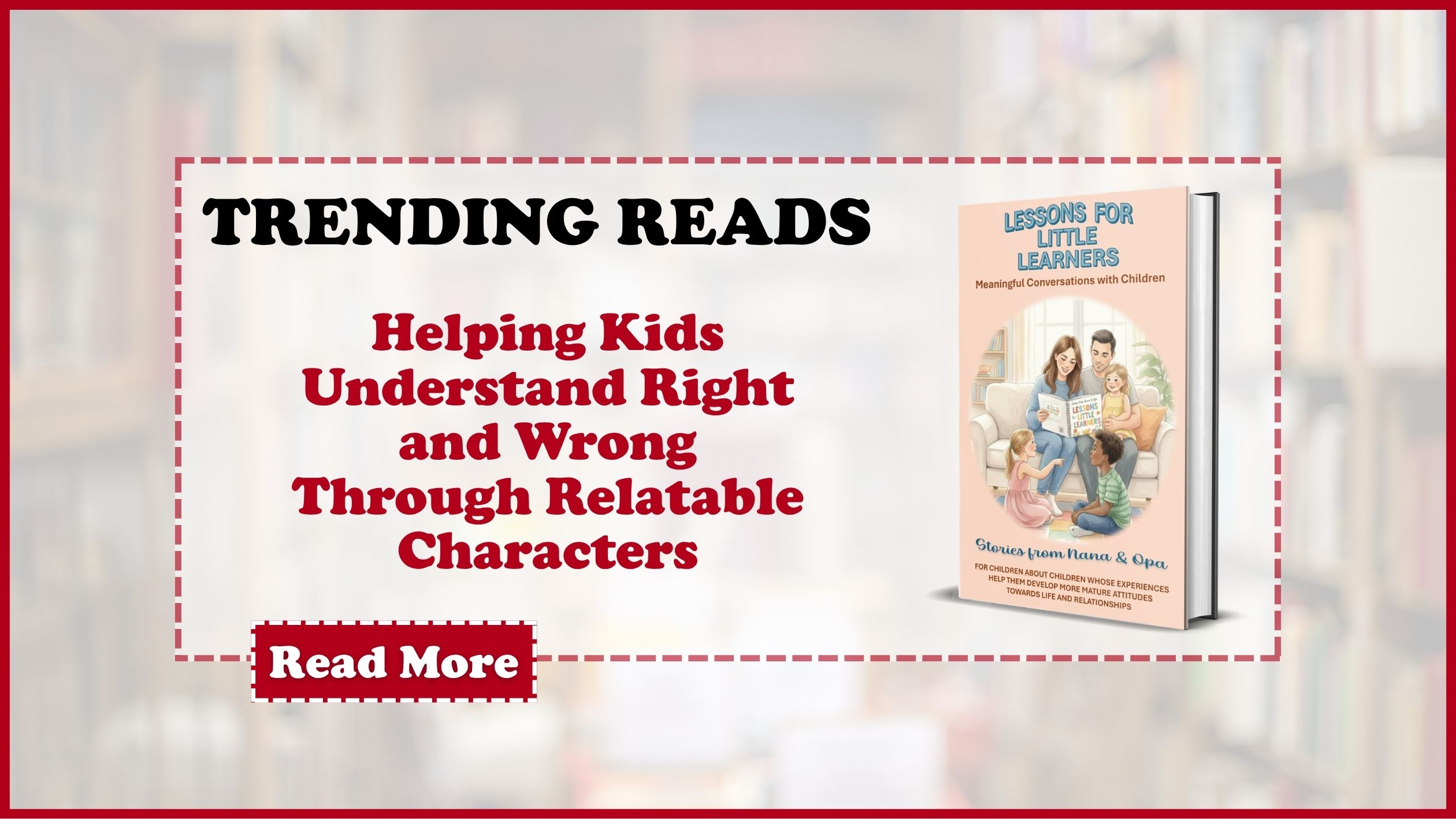
Lessons for Little Learners: Meaningful Conversations with Children by Michele & Marv Wainschel uses storytelling as a gentle and effective tool to help children understand ethical behavior through characters who feel real and situations that mirror everyday life. Instead of presenting rules or rigid instructions, the book invites children to think, feel and reflect on what is happening in each story.
The strength of this approach lies in relatability. Children are far more likely to understand right and wrong when they see it reflected in characters who think, feel and behave like them. In these stories, children encounter situations involving honesty, fairness, kindness, peer pressure, responsibility and empathy. These are not abstract ideas; they are lived experiences in a child’s world.
For example, in stories like Choices and Consequences, Lucas learns that ignoring responsibility in favor of short-term fun leads to real consequences the next day at school. Through his experience, children begin to understand that choices are not just about the present moment, but they affect future outcomes. Similarly, in It’s Not About Omar, Michael learns that standing up against prejudice and treating others with kindness is more important than repeating harmful opinions from others.
These characters are not perfect and that is exactly what makes them effective teachers. They make mistakes, feel confused and sometimes act out of emotion before learning better ways to respond. This mirrors real childhood development. When children see characters learning and growing, they begin to understand that making mistakes is part of learning what is right.
Another powerful aspect of the book is how it encourages reflection instead of instruction. Rather than telling children “this is right” or “this is wrong,” the stories allow them to observe behavior and consider its impact. Questions included after each story, such as how a character felt, what could have been done differently or how they would respond, help children actively engage with moral thinking.
This process is essential for developing internal values. When children are guided to think critically about actions and consequences, they begin to form their own understanding of fairness, honesty and respect. This internal compass is far more lasting than memorized rules.
The book also highlights the importance of empathy in moral development. Many of the stories show children learning to understand why others behave the way they do. Whether it is a sibling acting out of anger or a friend influenced by misinformation, children see that behavior often has underlying emotional causes. This helps them move beyond judgment and toward understanding.
In addition, Lessons for Little Learners supports conversations between children and adults. These shared discussions are where moral understanding deepens. A parent reading with a child might pause to ask, “Was that fair?” or “How do you think that made them feel?” These simple questions help children articulate their thoughts and strengthen their ability to reason about right and wrong.
Because the stories are realistic, short and emotionally grounded, they are easy for children to revisit. Each reading can reveal new insights, reinforcing moral lessons over time. This repetition helps children internalize values in a natural and lasting way.
Ultimately, helping children understand right and wrong is not about delivering rules; it is about guiding them through experiences that shape their judgment. Lessons for Little Learners: Meaningful Conversations with Children by Michele & Marv Wainschel does exactly that by placing relatable characters at the center of meaningful moral lessons.
Through these stories, children do not just learn what is right or wrong; they begin to understand why it matters.