A hospital room may appear quiet to a visitor, but for a patient experiencing intensive care delirium, it can become an entirely different world. Machines, voices, medication, pain, fear, and broken sleep can combine to create vivid experiences that feel completely real. The patient may believe they are travelling, working, meeting strangers, escaping danger, or returning home, even while lying in a hospital bed.
Intensive care delirium can blur the boundary between dreams and waking life. A patient may open their eyes and recognise the hospital, yet still believe that something imagined has actually happened. A sound from a monitor may become music in a nightclub. A medical procedure may turn into an attack involving needles or blood. A bright hospital room may become a departure lounge leading toward another world. These experiences are not ordinary dreams that disappear upon waking. They may remain detailed, emotional, and convincing long afterwards.
Medication can play a significant role in this altered perception. Strong pain relief and sedation are often essential during serious treatment, but they may also affect memory, awareness, and the way the brain interprets surrounding events. When a patient is physically weak, unable to speak, or dependent on others for basic care, the mind may create stories that express fear, frustration, helplessness, or the desire to regain control.
Delirium can also reshape familiar people and places. Nurses may appear as nightclub hosts, criminals, guides, or strange authority figures. Family members may enter imagined journeys, while memories of work, travel, music, sport, and home become part of elaborate scenes. The patient may move between humour and fear without understanding why. One moment may feel absurd and entertaining, while the next carries a powerful sense of danger or loss.
Recovery does not always end these experiences immediately. Patients may continue questioning which memories were real. They may feel embarrassed when relatives explain that certain events never happened. Others may remain emotionally affected by dreams that seemed to predict death, separation, or survival. Talking about these memories can help patients understand that delirium is connected to illness, medication, interrupted sleep, and the intense environment of critical care.
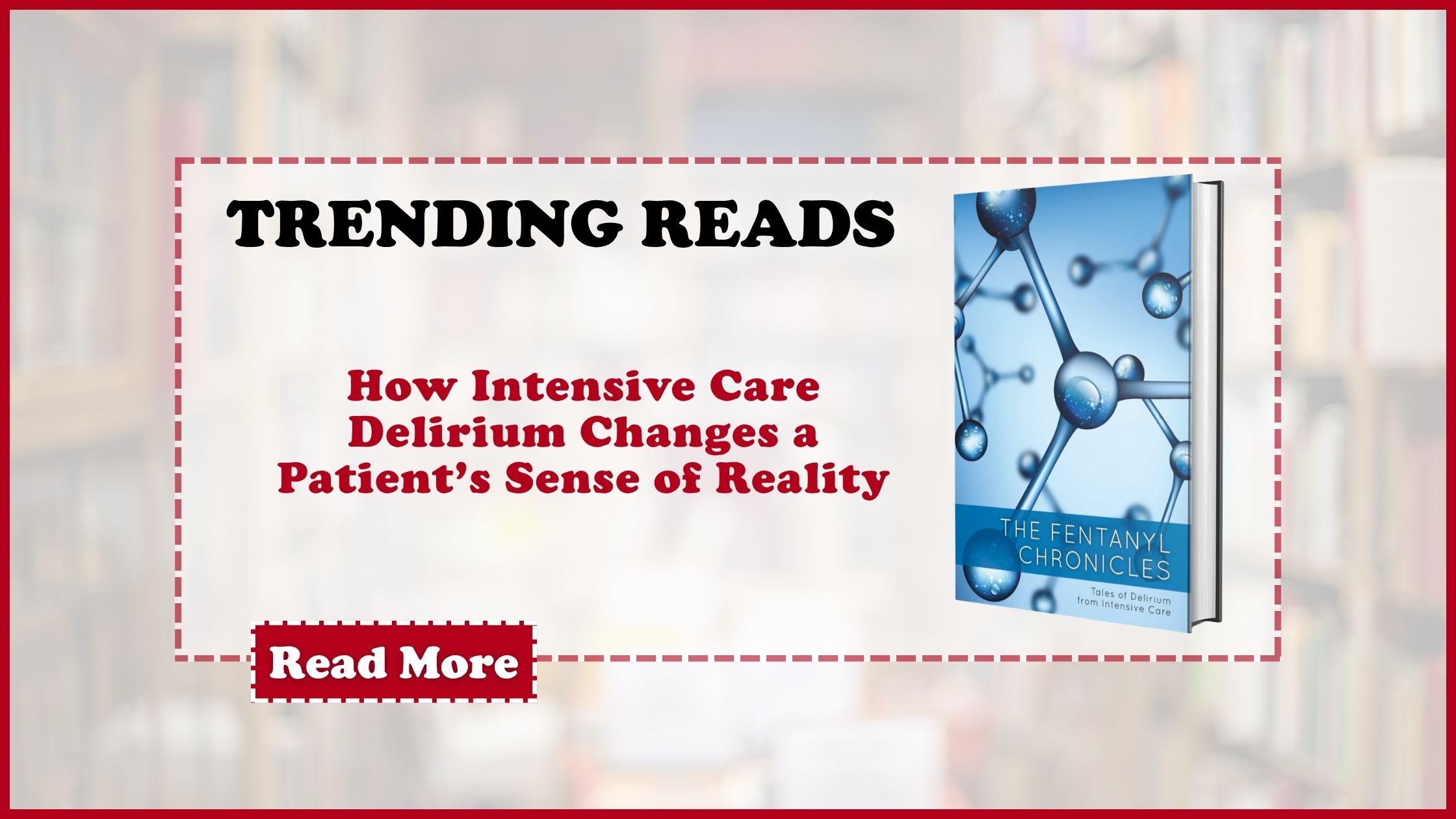
The Fentanyl Chronicles: Tales of Delirium from Intensive Care by Tim Westall offers a personal and often humorous account of this altered reality. After a near fatal heart attack and weeks of intensive treatment, Westall records the strange, vivid, and sometimes moving dreams he experienced while receiving fentanyl. His stories reveal how the mind can transform hospital sounds, medical procedures, personal fears, and treasured memories into complete imagined worlds.
For readers interested in survival, critical illness, unusual dreams, and the mind’s response to extreme circumstances, The Fentanyl Chronicles provides an honest and memorable perspective. It shows that intensive care delirium can be confusing and frightening, but it can also reveal the humour, hope, and human spirit that remain present during the most difficult moments of life.
Read this book now, available on Amazon: https://www.amazon.com/dp/B0GQCM26GX