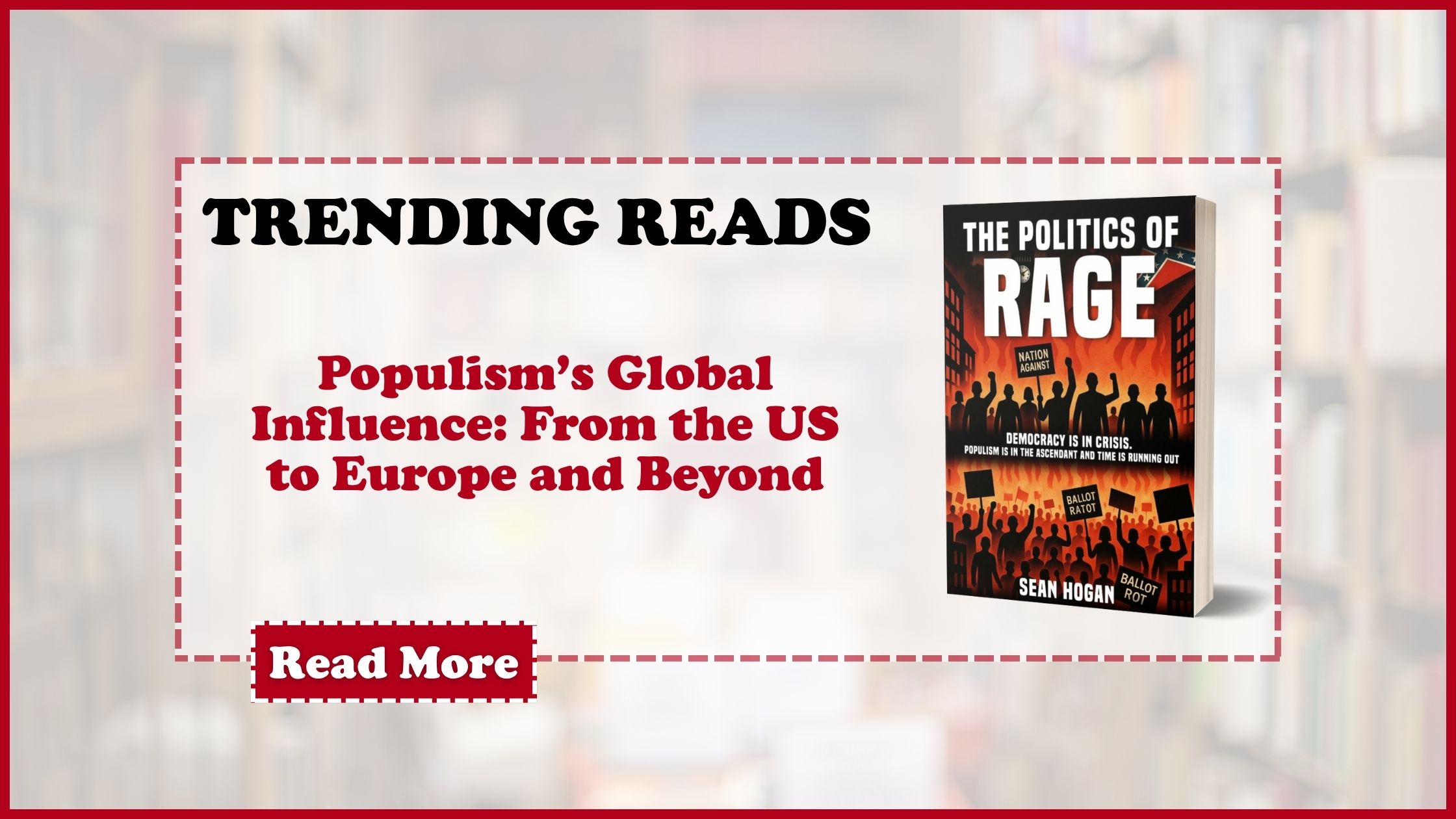
Populism has emerged as a dominant political force across the globe, reshaping the political landscape in both Western democracies and beyond. From the United States to Europe and Latin America, populist leaders are tapping into deep-seated frustrations, promising to restore power to the people and challenge the political elites. In The Politics of Rage, the author examines the factors behind the rise of populism, its appeal to disaffected citizens, and the profound impact it has on democratic institutions and political systems.
In the United States, the rise of populism was most visibly embodied in the 2016 election of Donald Trump. Trump’s campaign tapped into widespread discontent with the political establishment, especially among working-class voters who felt alienated by globalization and economic inequality. His rhetoric, often combative and divisive, resonated with voters who believed their concerns had been ignored by traditional politicians. By framing the political battle as one between the “elite” and “the people,” Trump positioned himself as the outsider who would upend the system. His promise to “drain the swamp” appealed to voters who were frustrated with the status quo, and his use of social media allowed him to bypass traditional media filters, directly speaking to his base.
Similarly, in Europe, populism has gained significant traction, with leaders like Viktor Orbán in Hungary, Marine Le Pen in France, and Nigel Farage in the United Kingdom playing pivotal roles. Orbán has used populist rhetoric to justify authoritarian measures, framing himself as a defender of national sovereignty and cultural identity against the forces of globalization and immigration. Farage’s leadership of the Brexit campaign in the UK also centered on a populist appeal, focusing on the desire to reclaim control over British borders and laws from the European Union. Brexit became a platform for promoting nationalism and opposition to the European establishment, using themes of immigration and national identity to galvanize support. The populist success in the UK, seen in the 2016 referendum vote to leave the EU, reflected broader sentiments of alienation and disillusionment with the political elite.
In addition to the US and Europe, populism has spread to other parts of the world. In Brazil, Jair Bolsonaro’s election in 2018 was another example of populist success, driven by a promise to fight corruption, reduce crime, and restore national pride. Bolsonaro’s rhetoric, similar to that of Trump, relied on nationalism, cultural conservatism, and skepticism of traditional media. His rise reflects the global trend of populist leaders gaining traction by presenting themselves as champions of the people against an out-of-touch elite. Likewise, in the Philippines, President Rodrigo Duterte has used populist language to consolidate power, focusing on the public’s frustration with crime and corruption and promising drastic measures to address these issues.
The global rise of populism is fueled by a combination of factors. Economic inequality, rapid technological changes, and the effects of globalization have left many people feeling alienated and left behind. Populist leaders effectively tap into these feelings of economic and cultural displacement, offering simple solutions to complex problems. By casting themselves as the voice of the “common people,” populist leaders exploit anger and frustration, framing the political elite and foreign influences as the main obstacles to national progress.
However, the rise of populism poses significant challenges to liberal democracy. While populist leaders often claim to represent the will of the people, they frequently undermine democratic institutions and norms. Populists tend to attack the media, the judiciary, and other checks on power, creating a dangerous precedent for authoritarianism. In The Politics of Rage, the author highlights how populist leaders often consolidate power by undermining democratic structures, leading to a decline in the checks and balances essential for a functioning democracy.
The global influence of populism is undeniable, and it continues to reshape political landscapes worldwide. From the US to Europe and beyond, populist movements are challenging the traditional political order, often through divisive rhetoric and the promise of radical change. The Politics of Rage offers a detailed analysis of this global trend, examining the causes, appeal, and consequences of populism. As populism continues to spread, understanding its impact on democracy is essential for navigating the future of global politics. The book provides critical insights into how populist movements challenge established norms and what this means for the future of democratic governance.
Find out in this essential read, available on Amazon https://www.amazon.com/dp/B0FHBDWJD4/