

Climate change is no longer a distant concern—it’s an urgent crisis shaping our present and threatening our future. In Discovering Existential Intelligence: Tools, Insights, and Implications, Flávia Ceccato argues that solving environmental problems requires more than technical solutions. It requires a shift in how we think, feel, and ask questions about our place in the world.
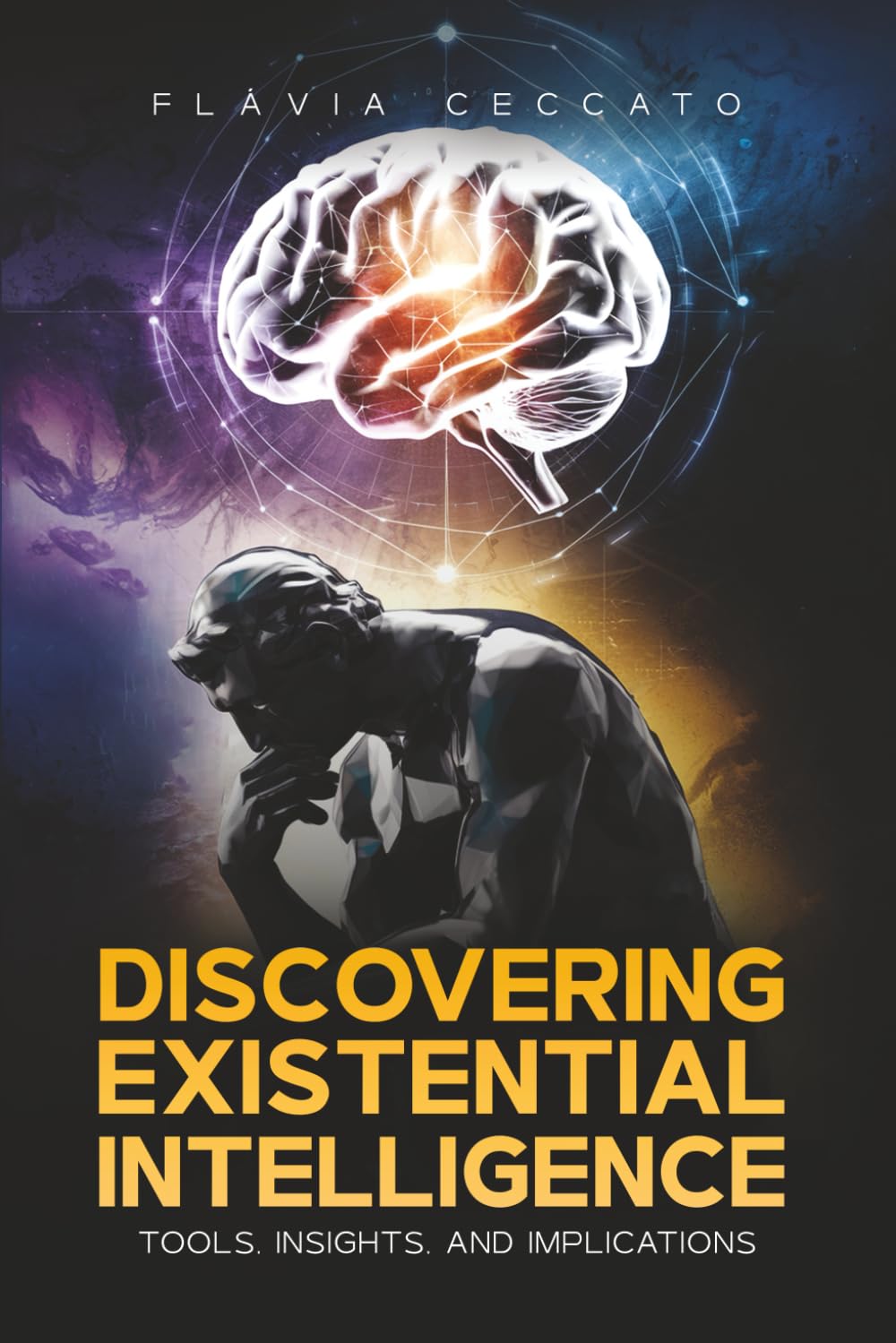
This is where existential intelligence comes in.
Existential intelligence is the capacity to grapple with deep, often unanswerable questions about life, death, and purpose. While this may seem abstract, Ceccato makes a powerful case that it is one of the most practical forms of intelligence for the 21st century—especially when it comes to environmental stewardship.
At its core, existential intelligence encourages individuals to reflect on meaning, responsibility, and interconnectedness. These are precisely the questions that underlie our relationship with the environment. Why does nature matter? What obligations do we have to future generations? What kind of world do we want to leave behind?
In contrast to purely scientific approaches, which often focus on data and policy, existential intelligence looks at the human element. It asks what motivates us to care, to act, and to change. Ceccato’s book shows that without a foundation of existential reflection, even the best environmental strategies can fall flat.
One of the key insights in the book is that environmental awareness isn’t just intellectual—it’s existential. When people understand themselves as part of a larger, interconnected system, they are more likely to adopt sustainable behaviors. Ceccato cites studies, such as those involving Indonesia’s Adiwiyata program, that show a direct link between higher existential intelligence and increased pro-environmental behavior among students.
These findings suggest that fostering existential intelligence may be a hidden key to addressing the ecological crisis. Environmental education, Ceccato argues, must move beyond facts and figures to engage the human spirit. Storytelling, philosophical inquiry, and reflective practices can help individuals develop a sense of purpose and responsibility that fuels action.
In a world defined by volatility, uncertainty, complexity, and ambiguity—what Ceccato refers to as VUCA—existential intelligence serves as a stabilizing force. It gives people the internal tools to stay grounded amid chaos, and the ethical clarity to make choices that benefit the collective.
This is particularly important when confronting the emotional weight of environmental issues. From climate anxiety to ecological grief, today’s youth are increasingly overwhelmed by the scale of the problems they face. Existential intelligence doesn’t remove the pain—but it gives it shape, purpose, and direction. It teaches us not just how to cope, but how to care.
Ceccato’s work is a call to expand our environmental toolbox. Technical solutions, political policies, and sustainable technologies are all essential. But they must be rooted in a deeper cultural and psychological shift. We must raise generations who don’t just recycle because they’re told to—but because they understand why it matters.
In the end, saving the planet begins with asking the right questions. And Discovering Existential Intelligence shows us how to ask them—honestly, courageously, and with the wisdom that comes from seeing ourselves not above nature, but within it.
This book is not just for educators, psychologists, or philosophers. It’s for anyone who believes that real change starts from within. Because before we can heal the world, we must first understand why it’s worth saving.


