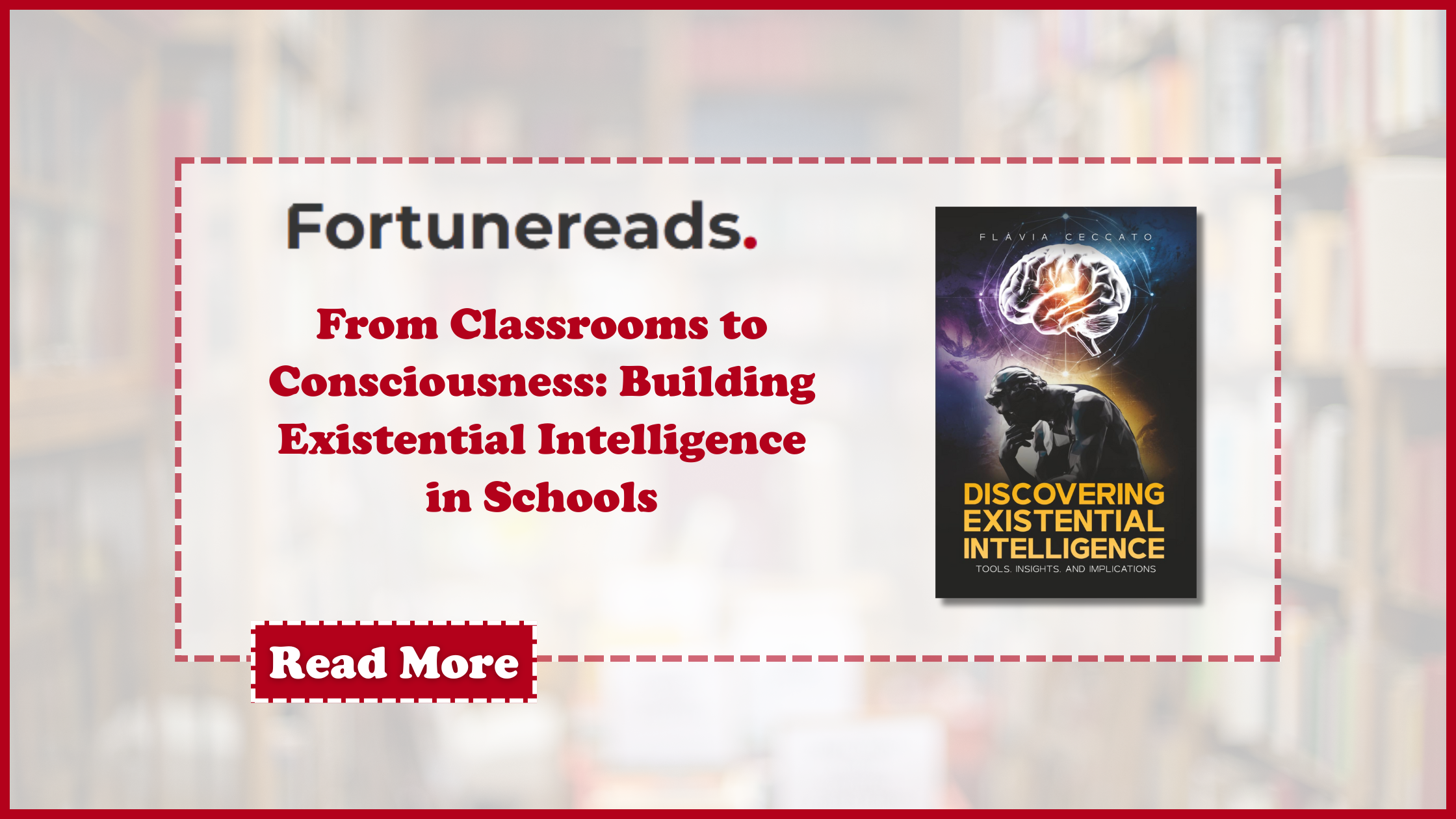
In an age where education often prioritizes test scores over self-awareness, Discovering Existential Intelligence: Tools, Insights, and Implications by Flávia Ceccato makes a timely and transformative proposal. The book calls on educators to expand their definition of intelligence and create space for students to ask life’s biggest questions: Why am I here? What gives life meaning? What do I stand for?
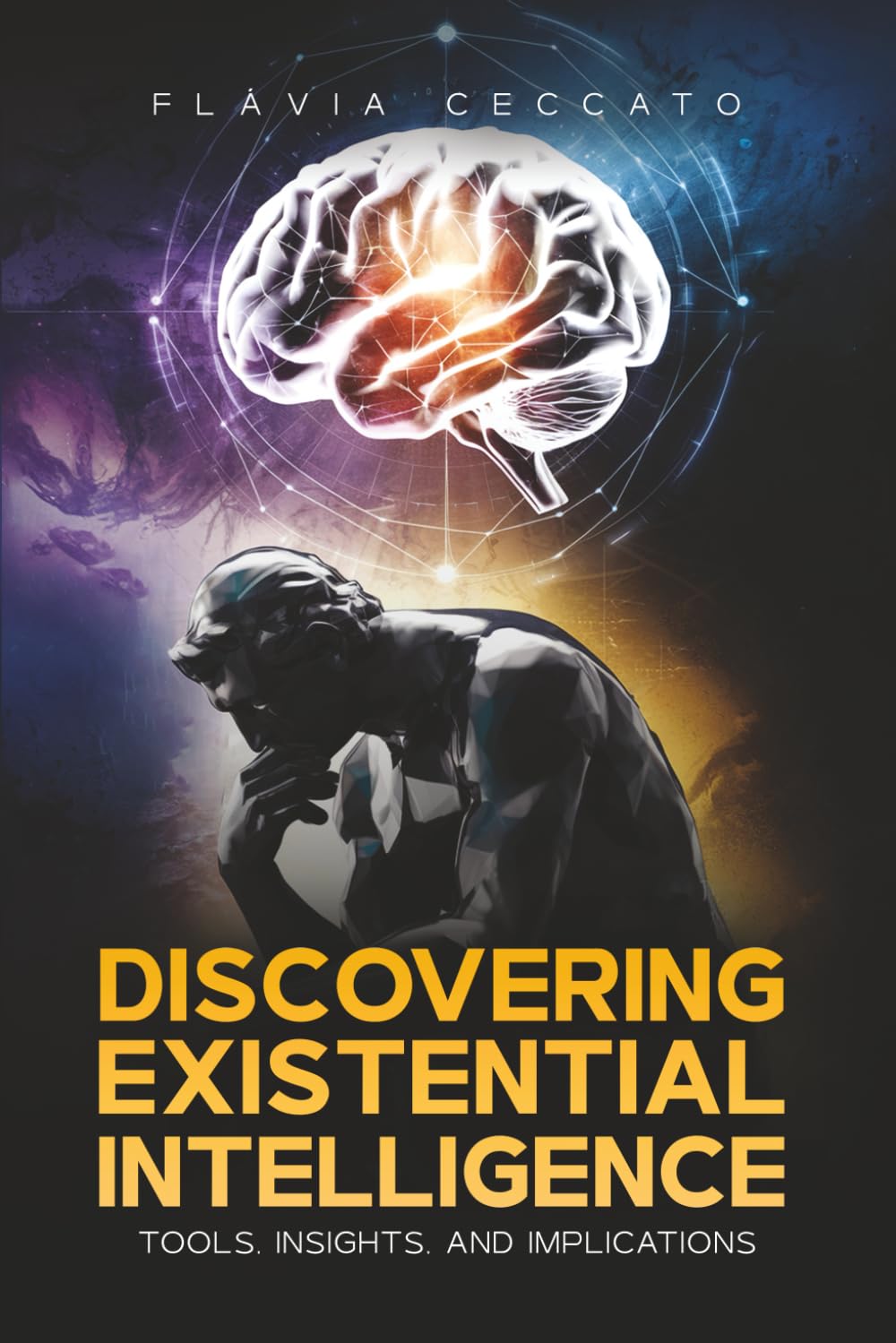
Existential intelligence, as Ceccato presents it, is not merely philosophical musing. It’s a legitimate cognitive capacity that plays a vital role in how we navigate complexity, develop resilience, and find purpose. In today’s chaotic world, these are not luxuries—they’re necessities.
In traditional educational systems, students are evaluated almost exclusively on linguistic and logical-mathematical intelligences. These skills are important, but they represent only a narrow slice of human potential. Ceccato challenges this outdated model and advocates for a more holistic approach that includes existential intelligence as a core component of learning and development.
So what does it mean to build existential intelligence in schools? Ceccato offers a vision rooted in curiosity, dialogue, and ethical exploration. This doesn’t require a complete curriculum overhaul—it begins with giving students permission to wonder aloud. Why do we learn what we learn? How do our actions affect others? What does success really mean?
The classroom can be a training ground not just for future careers but for deeper self-knowledge. By incorporating existential themes into literature discussions, history debates, and even science experiments, teachers can foster an environment that encourages critical reflection and values-driven thinking. Imagine a high school biology lesson that connects cellular evolution with questions about our place in the natural world, or a literature unit that pairs classic novels with conversations about identity and purpose.
Ceccato’s book also highlights the ethical responsibility educators have when engaging students in existential inquiry. These questions can be emotionally intense, particularly for adolescents. Creating a safe, supportive environment is key. Teachers must be guides, not gurus—encouraging exploration while respecting the emotional boundaries of their students.
An especially valuable insight from the book is that students are already asking these questions. Children and teens naturally contemplate fairness, mortality, freedom, and belonging. What they need is a structure that validates these inquiries instead of dismissing them. By formally recognizing existential intelligence as a legitimate area of development, educators can nurture deeper engagement and emotional resilience.
Ceccato doesn’t just theorize—she provides tools. The book proposes methodologies and assessment models designed to identify and support existential thinking in students. It also draws on cross-cultural examples, showing how traditions from Brazil to East Asia have long cultivated this kind of reflective intelligence.
Ultimately, Discovering Existential Intelligence invites educators to reimagine their role. Teaching isn’t just about knowledge transmission; it’s about shaping thoughtful, conscious citizens. As the book argues, if we want future generations to lead with empathy, purpose, and wisdom, we need to start cultivating those qualities in the classroom.
Existential intelligence isn’t about having all the answers. It’s about teaching students that it’s okay to live the questions. And in doing so, we open the door to a kind of learning that lasts far beyond the final exam.