Globalization promised connectivity, economic growth, and cultural exchange. It delivered many of those outcomes. Borders became more permeable to trade, capital, information, and migration. Cities grew more diverse. Supply chains stretched across continents. Digital platforms erased distance. Yet alongside these transformations emerged a powerful countercurrent. As the world became more integrated, debates over national identity intensified.
Culture wars in the age of globalization are not merely arguments about tradition versus progress. They reflect deeper anxieties about belonging, sovereignty, and recognition. When economic structures shift rapidly and demographic patterns evolve, people often seek stability in identity. National identity becomes an anchor in uncertain times.
For some citizens, globalization represents opportunity. It expands markets, fosters innovation, and increases exposure to new ideas. For others, it represents displacement. Deindustrialization hollowed out manufacturing communities. Immigration altered local demographics. Cultural norms evolved faster than some communities could absorb. The result was not just economic disruption but psychological unease.
National identity becomes contested ground in this environment. Is a nation defined by shared heritage, language, and historical continuity? Or is it defined by civic values and pluralism? These competing visions shape debates over immigration, citizenship, education, and public memory. They also fuel political mobilization.
Globalization complicates traditional narratives of sovereignty. Trade agreements, multinational institutions, and transnational regulations can appear to dilute national control. For voters who feel disconnected from distant decision makers, calls to reclaim sovereignty resonate deeply. Slogans that emphasize taking back control or putting the nation first gain traction not only as policy proposals but as emotional appeals.
Cultural change amplifies these tensions. Increased visibility of minority communities and shifting social norms challenge older assumptions about identity. Issues related to race, religion, gender, and sexuality become flashpoints. Supporters frame these changes as expansion of rights and recognition. Critics frame them as erosion of tradition and cohesion. Both sides perceive stakes as existential.
Media ecosystems intensify polarization. Algorithm driven platforms reward outrage and amplify conflict. Cultural disputes that once remained local now circulate globally within hours. Narratives harden. Nuance fades. Identity becomes performance as much as principle.
At the core of culture wars lies a question of belonging. Who is included in the national story? Who defines it? In periods of stability, these questions remain background assumptions. In periods of rapid change, they become central political battlegrounds.
Economic insecurity intersects with identity politics in powerful ways. When communities experience job loss, declining wages, or shrinking public services, cultural grievances can provide explanation. Globalization becomes shorthand for forces that feel uncontrollable. Political leaders often channel this frustration into narratives that emphasize national restoration or protection.
Yet national identity is not static. It evolves through historical experience. Immigration waves, technological revolutions, and social movements have repeatedly reshaped nations. The tension arises when the pace of change outstrips collective adaptation. Culture wars are, in many ways, conflicts over the speed and direction of transformation.
The challenge for modern democracies is balancing openness with cohesion. Too much emphasis on exclusion risks authoritarianism and xenophobia. Too little attention to shared identity risks fragmentation and alienation. Sustainable political stability requires frameworks that acknowledge diversity while maintaining a sense of common purpose.
In an age of globalization, national identity becomes both shield and mirror. It shields against perceived loss of control, and it mirrors unresolved tensions about history, privilege, and power. The culture wars reveal not simply division, but the struggle to redefine belonging in a world that refuses to stand still.
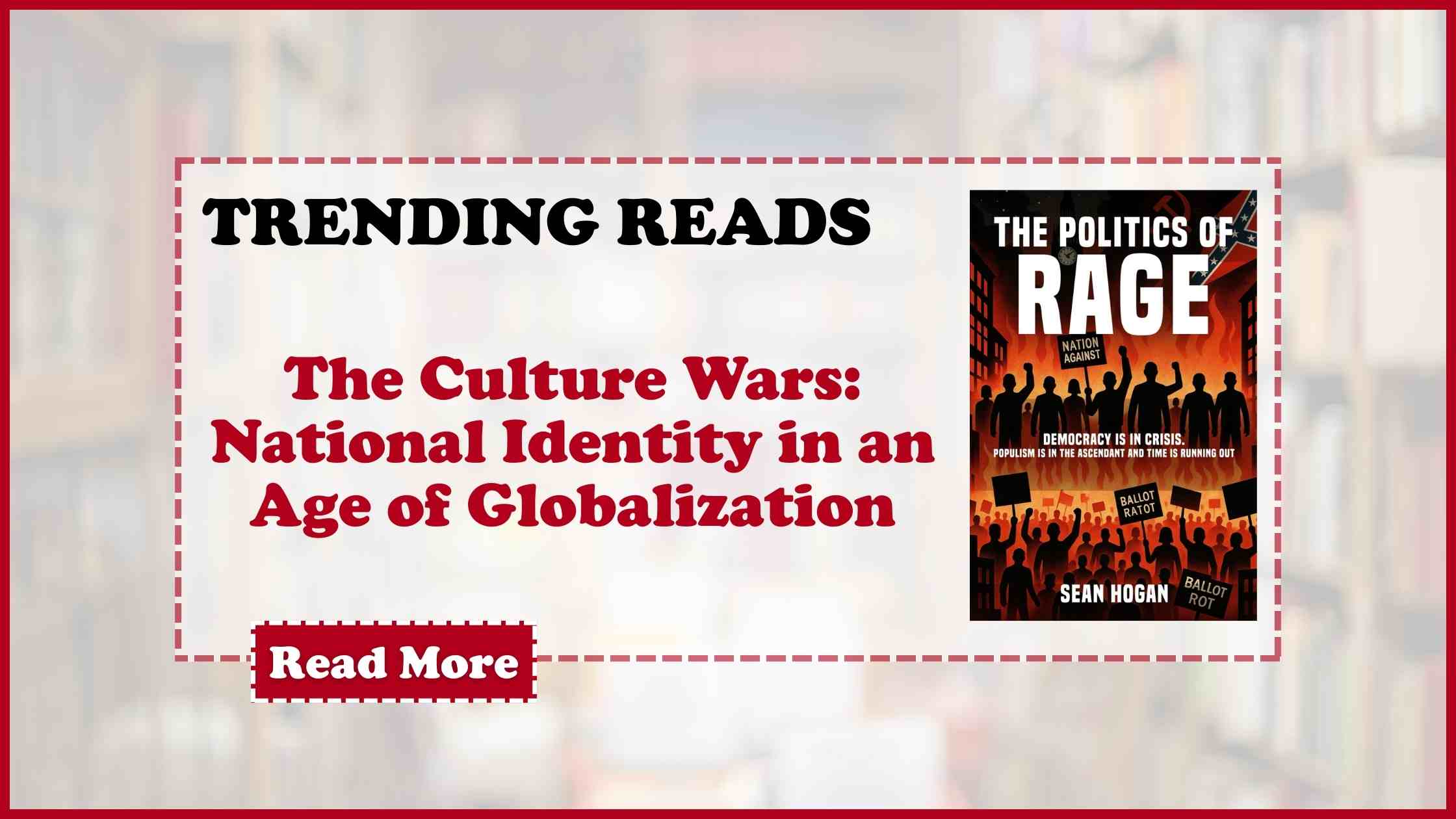
Find out in this essential read, available on Amazon https://www.amazon.com/dp/B0FHBDWJD4/