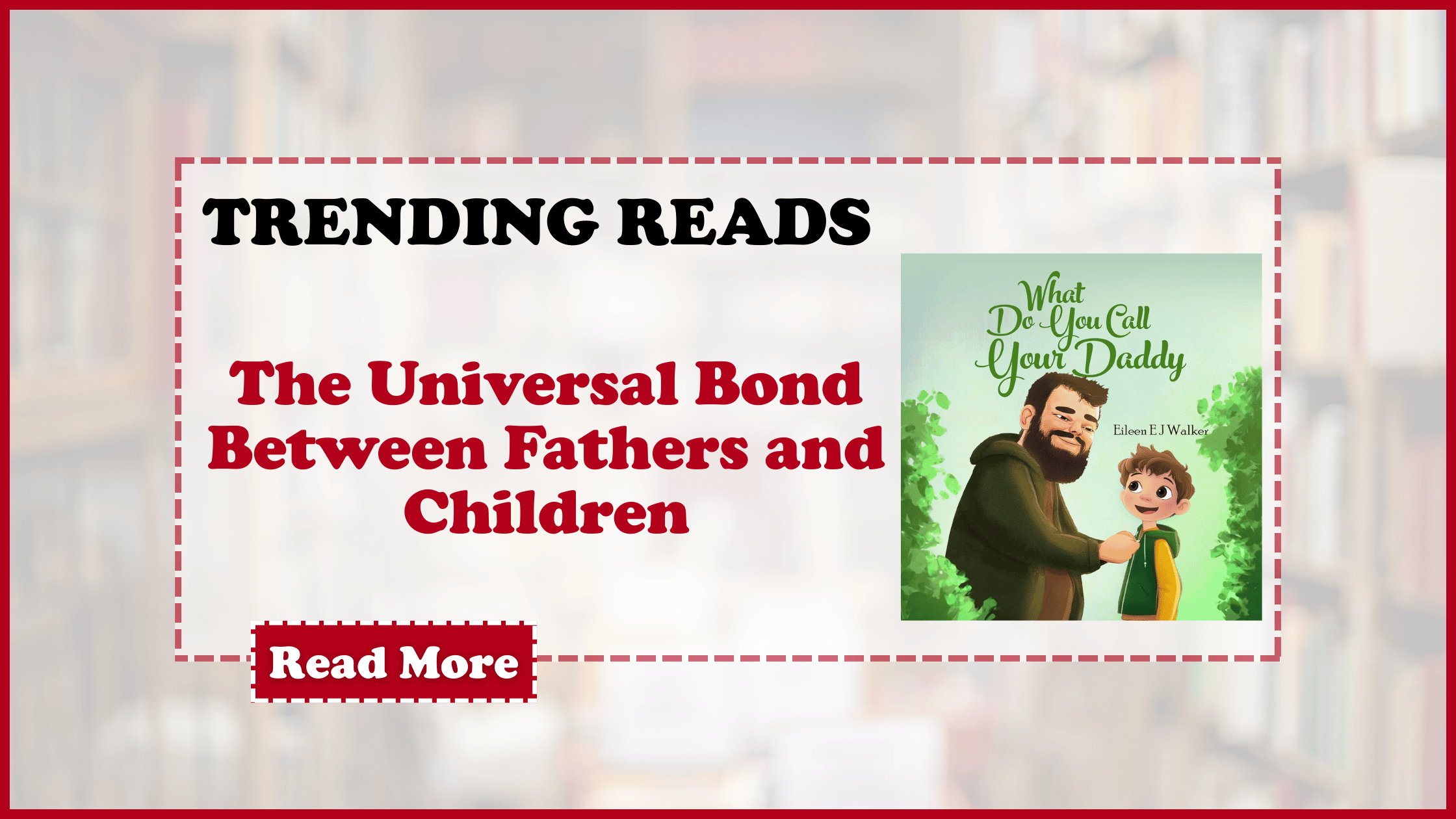
There are few connections in life as steady and reassuring as the bond between a father and child. It is a relationship built through everyday moments, shared routines, and the simple joy of being together. What is remarkable is how this bond remains the same, regardless of where families live or the language they speak. The picture book What Do You Call Your Daddy by Eileen E. J. Walker brings this idea to life by showing children around the world using different words for “Daddy” while feeling the same love and comfort.
The book follows Miloš, a young boy who begins to wonder why he calls his father Tata while other children use different names. His cousins say Daddy. His neighbors say Papa. Through a warm conversation with his mother and a look at a world map, Miloš discovers that families across continents use many words for fathers. However, even with these differences in language, the relationship between fathers and children looks and feels the same everywhere. It creates a clear picture of emotional unity across languages, shown throughout the story.
In Eastern Europe, children may call their fathers Tata, Tati, or Tato. These words sound familiar and friendly to families from that region. In other parts of Europe, children often say “Papa” or “Papi.” In South Asia and the Middle East, families often use words such as “Baba” or “Bapa.” Across North America, Daddy or Dad is common. Each word is shaped by culture and language, but each one represents a father who cares deeply for his child.
Examples throughout the book support this idea in simple and relatable ways. Miloš sits on the tractor with his Tata as they cut the grass together. Emma and Luc run across the yard to meet their Papa before soccer practice. Grace and Lily smile with excitement when their Daddy takes them for a ride in their small jeep. These moments reflect the same kind of happiness children feel everywhere when spending time with their fathers. The activities are different, the settings may vary, but the feelings are shared and familiar.
This understanding is important for young readers. When children learn that families speak many languages, they begin to see that language does not separate people. Instead, it shows how similar families can be even when their words sound different. A child who hears “Baba,” “Papi,” or “Dad” for the first time can recognize that behind each word is a father who loves, teaches, and supports his child.
By exploring these ideas clearly and gently, What Do You Call Your Daddy helps children appreciate cultural differences while recognizing the strength of the universal father-child relationship. It provides families with an easy way to discuss their heritage, language, and the significance of shared experiences.
The bond between fathers and children does not depend on the word used. It grows over time spent together, through shared laughter and offered comfort. No matter what children call their fathers, the love behind that word remains constant.
For families who want to explore this theme further, What Do You Call Your Daddy by Eileen E. J. Walker is a meaningful and enjoyable book to read together, available on Amazon: https://www.amazon.com/dp/1970749318/.