A medical emergency can unfold in an instant. One moment a hospital floor is calm and routine, and the next, a patient is fighting for their life. In those critical moments, nurses and healthcare professionals are expected to act quickly, think clearly, and make decisions that can dramatically influence outcomes. The ability to remain calm under pressure is often seen as a natural talent, but science suggests it is actually a skill that can be developed.
When faced with a crisis, the human body activates its stress response system. Heart rate increases, breathing becomes faster, and adrenaline floods the bloodstream. While these reactions are designed to help people respond to danger, they can also interfere with concentration, decision-making, and fine motor skills. For healthcare providers, managing these responses is essential because even small errors can have significant consequences.
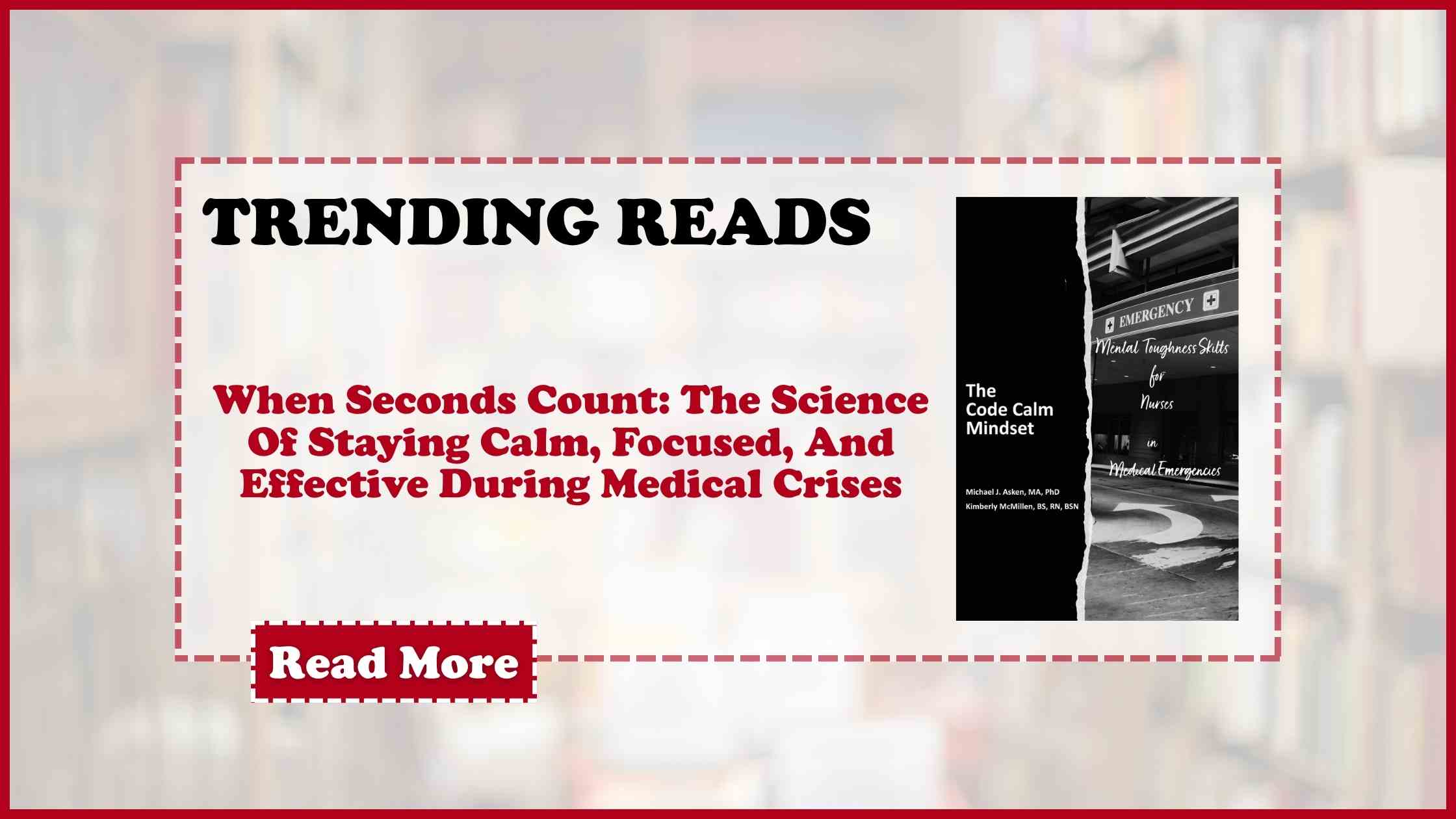
In The Code Calm Mindset, author Michael J. Asken explains that effective performance during emergencies depends on more than clinical expertise. Healthcare professionals must also develop psychological skills that allow them to function at their best when stress levels rise. These skills include confidence, focus, emotional control, and the ability to quickly recover from setbacks.
One of the most important factors in emergency performance is attention control. During a crisis, distractions can come from every direction—alarms sounding, worried family members, team communication, and the pressure of time. The brain naturally wants to react to everything at once, but successful responders learn to focus on the most important task in front of them. This ability helps reduce confusion and allows critical decisions to be made more efficiently.
Mental rehearsal is another technique supported by research. Athletes, pilots, and military personnel have long used visualization to prepare for high-pressure situations. By mentally practicing emergency responses, healthcare professionals can strengthen neural pathways associated with performance. According to The Code Calm Mindset, this preparation can increase confidence and reduce hesitation when real emergencies occur.
Behind every healthcare worker is a human being with emotions, fears, and personal challenges. Nurses often carry the weight of difficult outcomes, long shifts, and the emotional demands of caring for vulnerable patients. Staying calm during a crisis does not mean feeling no fear. Instead, it means recognizing those emotions while continuing to act effectively. Michael J. Asken emphasizes that mental toughness is not about becoming emotionally detached; it is about maintaining composure while preserving compassion.
Physical well-being also plays a major role in performance. Adequate sleep, regular exercise, and proper recovery help improve concentration and emotional stability. A tired mind is more vulnerable to mistakes, while a well-rested one is better prepared to handle unexpected challenges.
Ultimately, the science of high-pressure performance shows that calmness is not simply a personality trait—it is a trainable skill. Through preparation, practice, and self-awareness, healthcare professionals can improve their ability to respond when every second matters. The lessons shared in The Code Calm Mindset demonstrate how the combination of clinical excellence and psychological readiness can help providers deliver their best care. As Michael J. Asken reminds readers, the strongest performers are often those who have learned to stay focused, confident, and compassionate when the stakes are highest.
Available On Amazon: https://www.amazon.com/dp/B0CQF13ZRH/