For many people, one of the biggest fears about foster care is simple: What if I get too attached?
Alicia McCormick, PhD, has heard that concern many times. But after years of fostering babies, she came to see attachment very differently.
Rather than something foster parents should avoid, attachment is one of the very things vulnerable babies need most.
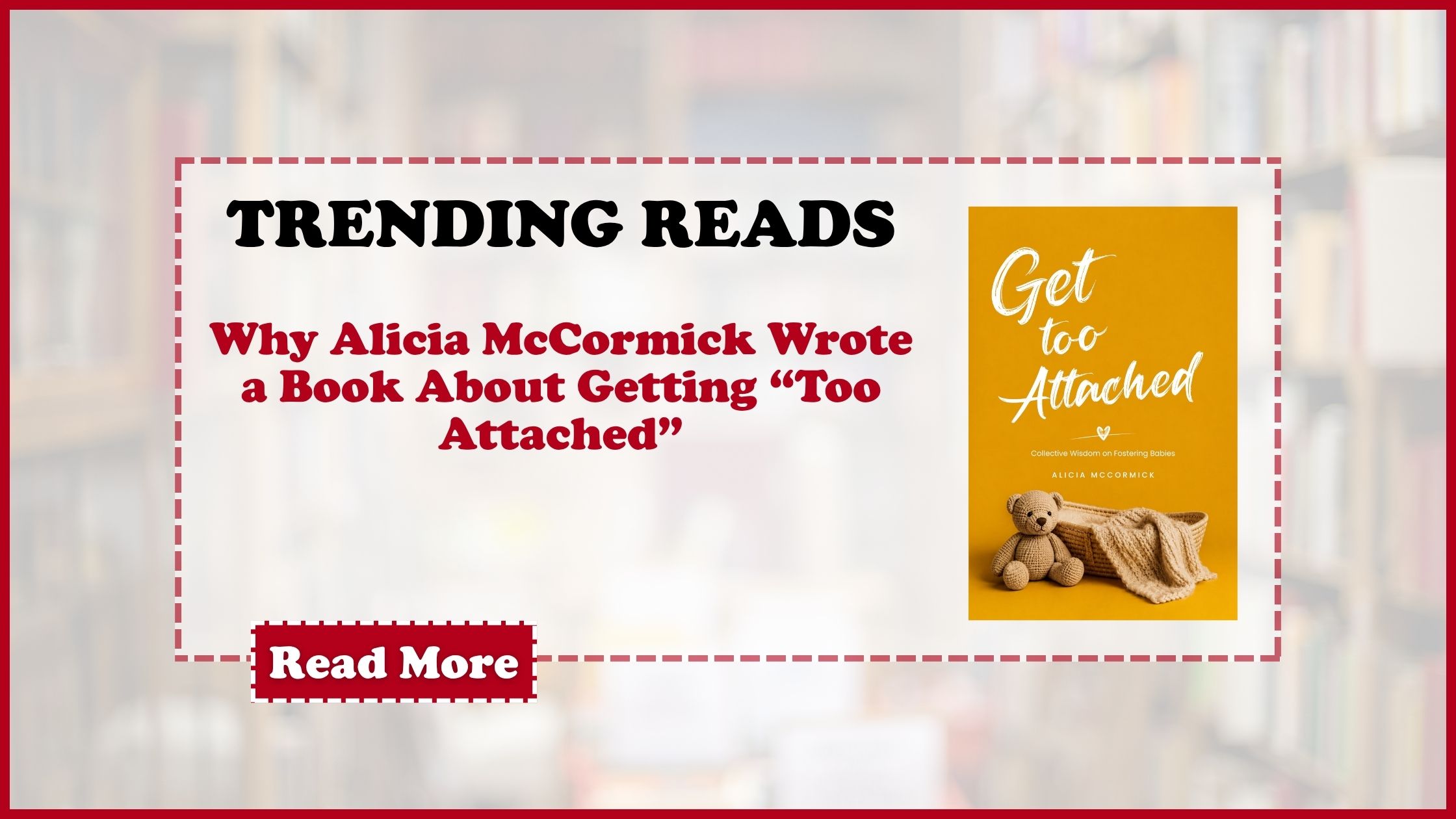
That idea became the foundation for her forthcoming book, Get Too Attached: Collective Wisdom on Fostering Babies.
McCormick has served as an Emergency Shelter Home foster parent in California since 2019, caring for babies who may need a temporary home while social workers search for relatives or other long-term placements. Over the years, she has fostered 34 babies, including medically complex and substance-exposed newborns.
Her experiences challenged assumptions she once shared herself.
Like many people, McCormick initially believed that newborns would not carry much trauma because they were too young to remember what had happened. But fostering taught her that babies can arrive with histories shaped by prenatal stress, substance exposure, medical complications, neglect and the disruption of being separated from familiar voices, smells and caregivers.
She also saw how differently that trauma could appear.
Some babies slept excessively and rarely cried. Others cried almost constantly. Some struggled with feeding, regulation or attachment. McCormick learned that even behavior adults might describe as “easy” can sometimes deserve a closer look.
Those lessons helped shape the purpose of Get Too Attached.
But McCormick did not want the book to rely only on her experience. Instead, she gathered stories from 30 foster parents and asked each of them the same six questions about their journey, what they had learned about trauma, what they had observed in babies, how they responded, what they wished others understood and what advice they would give future foster parents.
The result is a book built on collective wisdom rather than a single prescription.
Again and again, the contributors return to the importance of responsive caregiving, education, community support, early intervention, empathy for biological families and the willingness to love a child even when that relationship may not be permanent.
That final point explains the title.
McCormick writes about hearing people say they could never foster because they would become too attached. Her response is that foster parents do become attached. They are not emotionally distant caregivers immune to grief. Instead, they are willing to experience the pain of letting go if it means a child experiences more love and less hurt while in their care.
In that sense, Get Too Attached is not simply a title.
It is an invitation.
An invitation to stop treating attachment as a danger to the adult and start seeing it as a need of the child.
McCormick’s book does not promise that fostering will be easy. It presents the uncertainty, exhaustion, advocacy, reunification, grief and joy alongside the cuddles and milestones.
But its message is clear: when a baby has already experienced disruption, holding back love is not the answer.
Sometimes, the most courageous thing a foster parent can do is get attached anyway.
Get Too Attached: Collective Wisdom on Fostering Babies by Alicia McCormick, PhD, will be available soon.