We live in a time when conversations around mental health are finally starting to open up. But even within that progress, there are conditions that remain misunderstood, misrepresented, or simply overlooked. One of those is Attention Deficit Hyperactivity Disorder. This condition is more commonly known as ADHD. Despite its rising diagnosis rates and increased media attention, this growing concern and health issue is still often minimized as a childhood issue or dismissed as a “lack of discipline.” That needs to change.
ADHD is not just about being distracted or restless. It is a complex neurodevelopmental condition that affects attention, impulse control, executive functioning, and emotional regulation. According to the Centers for Disease Control and Prevention (CDC), around 10.8% of children in the United States have been diagnosed with ADHD. But the condition does not magically disappear in adulthood. In fact, research shows that more than 60% of children with ADHD continue to experience symptoms as adults.
Yet many adults never receive a diagnosis. This is especially true for women and people of color, whose symptoms often present differently and are frequently overlooked. While boys are more likely to be diagnosed due to hyperactivity and behavioral issues, girls often show signs of inattentiveness, emotional sensitivity, and internalized anxiety. These symptoms are harder to spot, and many women reach adulthood without knowing they have been living with ADHD their entire lives.
The social consequences of undiagnosed ADHD can be severe. Adults with ADHD are more likely to experience difficulty holding down jobs, maintaining relationships, managing finances, and staying organized. They are also more prone to anxiety, depression, substance misuse, and low self-esteem. What’s most damaging is that many begin to believe they are lazy, irresponsible, or not trying hard enough—when in reality, their brains are wired differently.
So why don’t we talk about ADHD more? One reason is stigma. There is still a cultural belief that ADHD is overdiagnosed, especially in children. Others assume it’s just an excuse for poor behavior. These misconceptions prevent people from seeking a diagnosis and support. Another reason is a lack of awareness. While there is more discussion now than ever before, too many people still associate ADHD only with hyper kids and forgetful adults.
This is why it’s so important to normalize conversations about ADHD across all ages and backgrounds. Talking openly about it helps dispel myths, build empathy, and connect people to the resources they need. When someone hears their story in someone else’s words, it can be the first step toward understanding and healing.
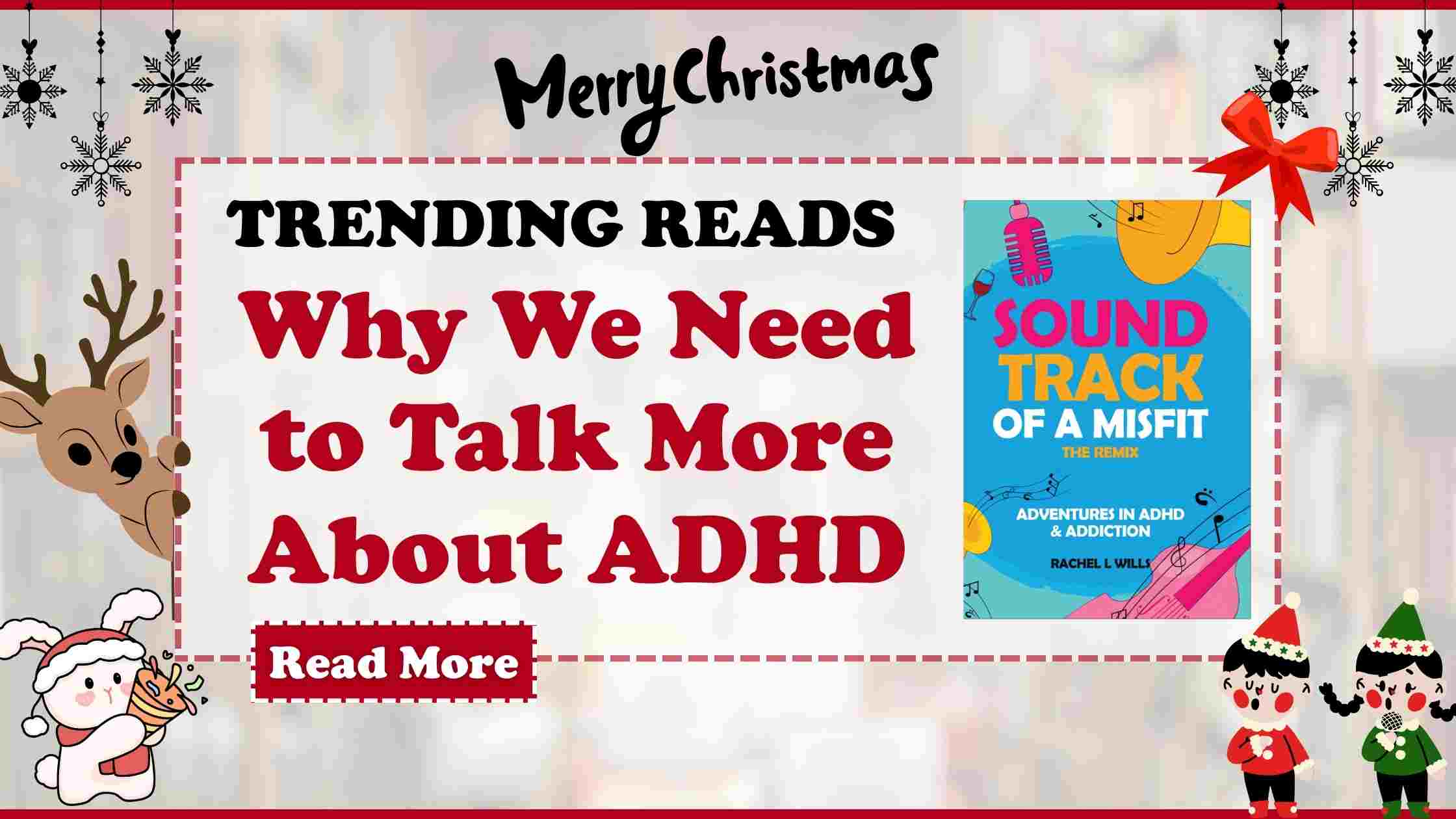
Books like Soundtrack Of A Misfit (The Remix): Adventures in ADHD & Addiction by Rachel Leigh Wills are part of that conversation. In her memoir, Rachel shares her lived experience with ADHD and addiction with honesty, humor, and grace. Her story reminds us that ADHD is not a flaw and helps us to see these differences as a part of our lives. In short, when we stop trying to “fix” people and start listening, we open the door to deeper connection and support.
Soundtrack of a Misfit is the powerful debut memoir of Rachel Leigh Wills, an expert mental health professional. This coming-of-age story follows a late bloomer who grew up in the 1980s with undiagnosed ADHD and a deep desire to belong. A sensitive and curious Jewish girl, Rachel dreamed of becoming a punk rocker but found herself weighed down by guilt, family expectations, and internal chaos.
From being teased for being too slow, too sensitive, and too small, to escaping into music and nature, her story traces a lifelong journey of self-discovery. Through travels across the United States, Jamaica, and Israel, and after a string of colorful jobs, Rachel finally finds her place in sobriety and service.
In this regard, she transforms her personal struggles with ADHD, addiction, and identity into a meaningful life as a therapist helping others find healing. With humor, grit, and heart, she reclaims her voice and proudly calls herself a wildflower—a survivor who thrives outside the lines. This memoir is a tribute to anyone who has ever felt like they didn’t fit in, and a reminder that growth often comes from the most unexpected paths.