For many people living with ADHD, anxiety, or addiction, traditional recovery tools—like structure, medication, or talk therapy are essential. But healing is not one-size-fits-all. For neurodivergent individuals, creativity often becomes just as important as medication. It becomes a lifeline. A playlist, a walk in the woods, or even time with a dog can be more than comforting. They can be transformative.
People with neurodivergent brains tend to experience the world intensely. Their emotions can be big, their senses often overstimulated, and their thoughts constantly moving. In this context, creative outlets offer relief. They provide a rhythm, a sense of control, and an emotional language that doesn’t require words.
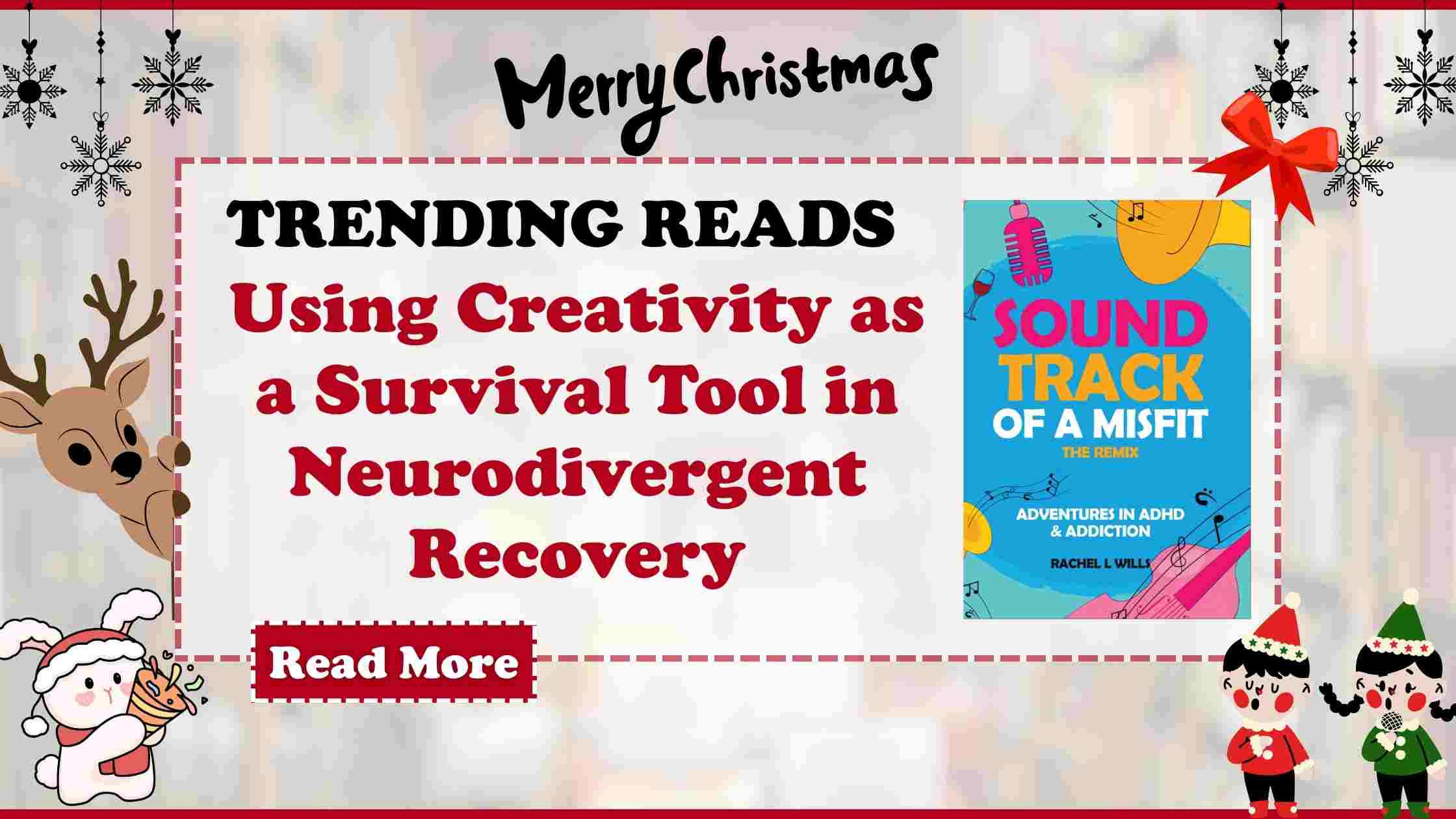
In Soundtrack Of A Misfit (The Remix): Adventures in ADHD & Addiction, Rachel L. Wills offers a heartfelt, unfiltered look at how music, nature, and animals became essential tools in her recovery. She didn’t find healing through a strict routine or a perfect plan. She found it in movement, sound, and connection to the natural world. Her playlists weren’t background noise. They were in therapy. Her walks weren’t just exercise. They were grounding rituals. Her dogs weren’t just pets. They were emotional anchors.
Creativity can bypass the internal critic that so many people with ADHD or addiction carry. It quiets the voice that says, You’re not doing it right. Instead, it allows space for exploration, mistakes, and play. For Rachel, music brought emotional clarity. Nature gave her space to think. Her creative spirit became her way of processing experiences, releasing tension, and staying present when everything felt overwhelming.
What’s powerful about Rachel’s story is that it normalises using unconventional tools in recovery. Journaling, art, music, and time with animals may not show up on clinical treatment plans, but they often make the difference between surviving and thriving. These tools don’t fix ADHD or erase addiction, but they help manage the emotional chaos that can come with both.
In her memoir, Rachel makes it clear that creativity isn’t a bonus. For her, and for many others, it’s essential. It’s a daily practice that builds emotional resilience and reminds her that joy and healing can coexist.
Neurodivergent recovery isn’t about fitting a mold. It’s about finding your own rhythm. And sometimes, that rhythm lives in a song you love, a walk through the trees, or the quiet companionship of a dog curled up beside you. Creativity doesn’t just help you escape the noise. It helps you return to yourself.
Recovery looks different for everyone. Rachel’s story proves it.