When the world shut down in 2020, many of us expected disruption. What few expected, though, was that a massive global health crisis would shine a light on something deeply personal, our mental health, and for many, our undiagnosed neurodivergence. As remote work, isolation, and the collapse of routine set in, thousands of adults suddenly found themselves unable to concentrate, manage time, or function in the ways they always had. For many, this wasn’t a breakdown. It was a breakthrough. It was the moment they began to realise they had ADHD.
Before the pandemic, adult ADHD was widely misunderstood and underdiagnosed, especially in women. High-functioning routines masked symptoms. Commutes and office structures created the kind of external scaffolding that made life manageable. But once those routines were stripped away, so was the illusion of coping. In their place came missed deadlines, forgotten tasks, emotional overwhelm, and a quiet voice asking, “Has it always been this hard for me?”
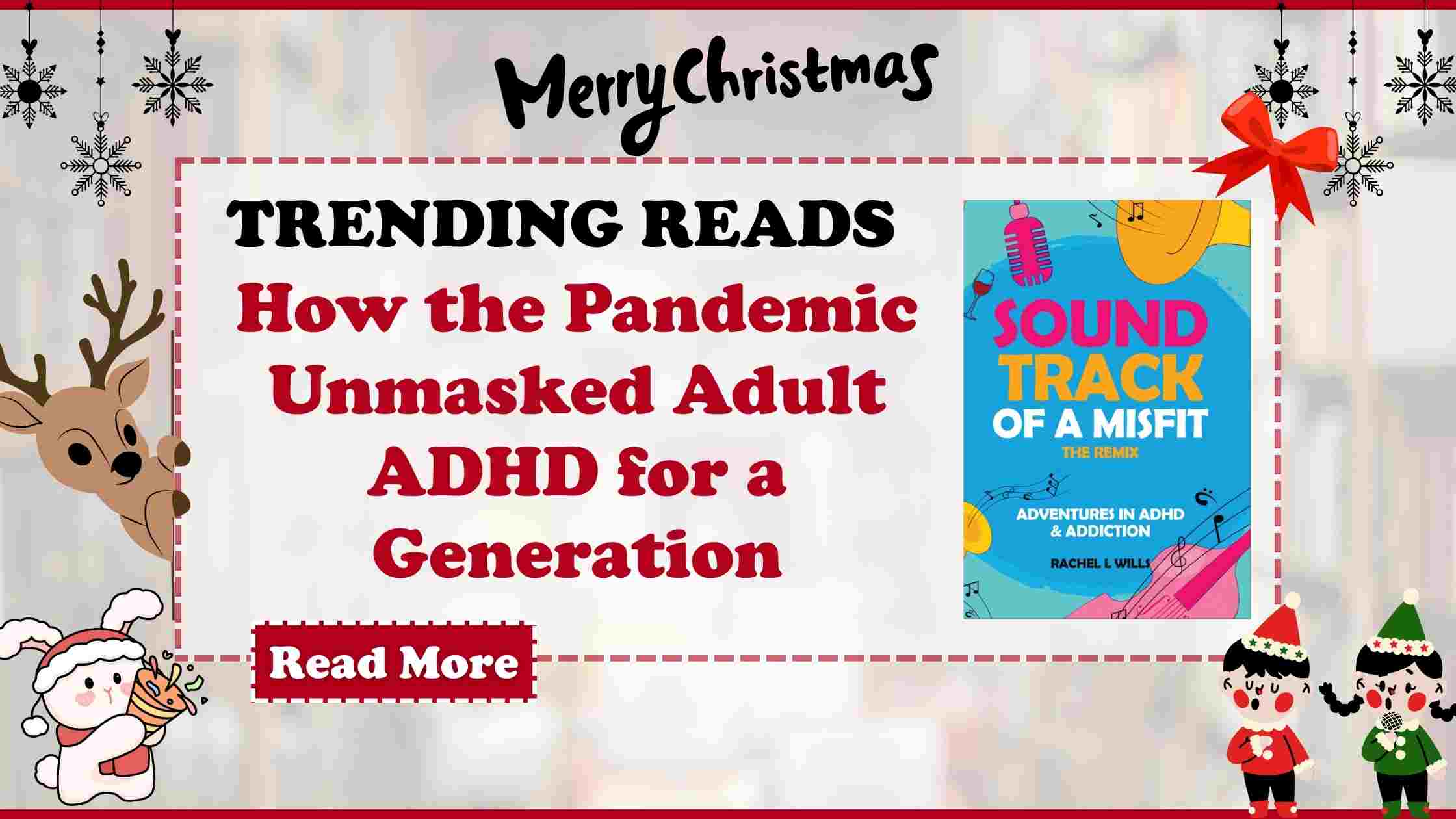
Rachel L. Wills explores this exact shift in her memoir, Soundtrack Of A Misfit (The Remix): Adventures in ADHD & Addiction. Though she was diagnosed with ADHD as a child, Rachel didn’t fully understand how the condition shaped her adult life until well into her 30s. The pandemic became a mirror, forcing her to re-evaluate not just her brain, but her identity. Her story reflects a broader trend that exploded during lockdowns: adults of all ages turning to TikTok, online communities, and therapy to finally get the answers they’d been missing.
As she shares in her book, Rachel found that her so-called “flaws” disorganisation, time blindness, and emotional intensity were not moral failings. They were neurological patterns. And in the quiet of quarantine, without the distractions of the outside world, she began to connect the dots. This personal awakening mirrors what many experienced during the same time: an increased awareness of how ADHD presents in adults and how it differs from the childhood stereotypes.
The pandemic didn’t create ADHD. But it revealed it. It pulled back the curtain on how deeply misunderstood neurodivergence still is in our culture. It also highlighted the need for better screening, more inclusive definitions, and a greater public conversation around adult mental health.
Rachel’s memoir is one of those conversations. In Soundtrack Of A Misfit (The Remix), she speaks candidly about growing up misunderstood, navigating addiction, and eventually becoming a therapist who helps others find clarity. Her story isn’t about blame. It’s about awareness. And awareness is often the first step to healing.
Did the pandemic make you question how your brain works? Let Soundtrack Of A Misfit (The Remix) help you make sense of it. Rachel’s story might just be yours, too.